
Longfin koi in photographs
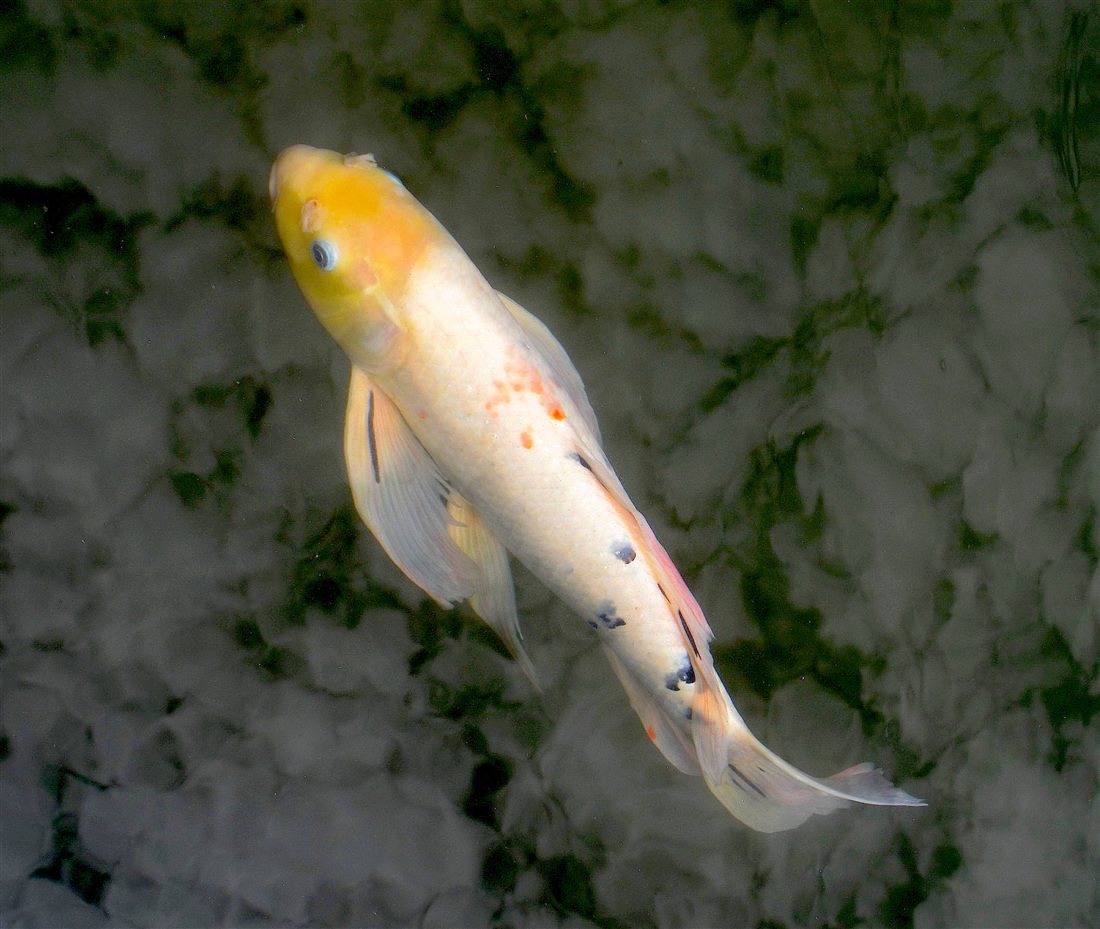

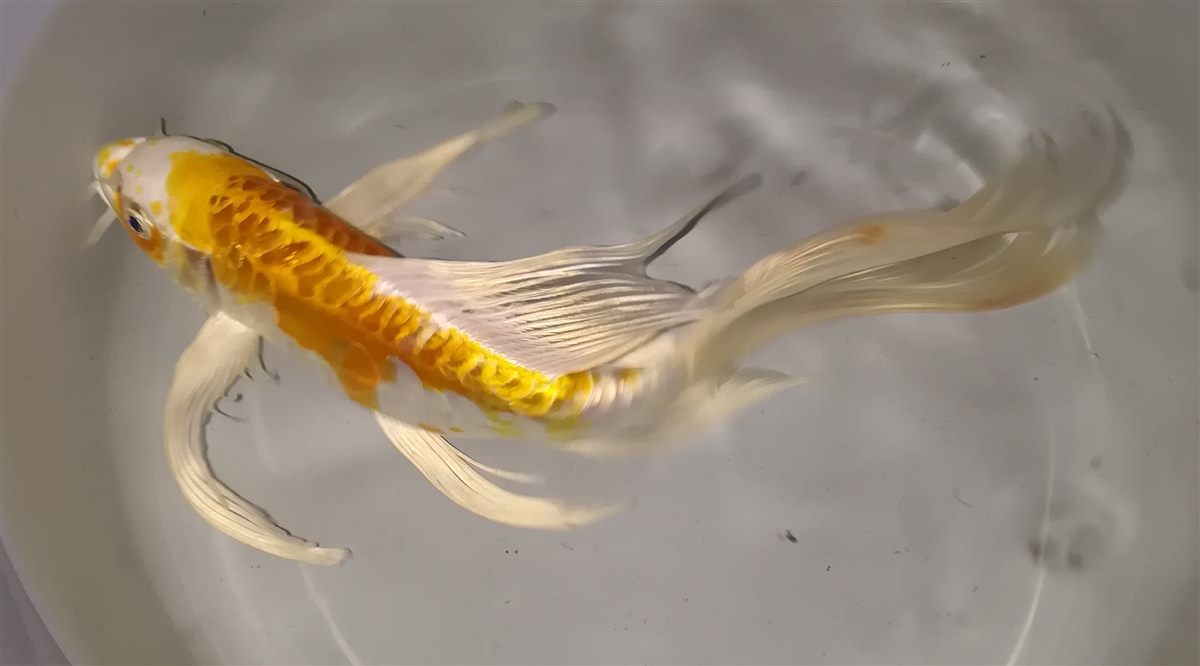

How to recognize a longfin koi
Look at the pectoral and tail fins while the fish turns. Several fins may extend well beyond the usual outline. Note the fins, then describe the body pattern and scale type. The Japanese name Hirenaga Nishikigoi is used by the Saitama Prefectural Fisheries Research Institute for the longfin koi it developed.
How are longfin koi shown?
The American Koi Judges Association lists a Longfin class. Check the rules for the specific show before entering, including how size is measured and which awards apply.
Can butterfly koi live in a tank?
Plan for the fish at adult size. A suitable pond or a large tank must give the fish room to swim and turn, with enough filtration and aeration for the fish it holds. Look at the usable swimming space as well as the volume.
| What to check | Practical considerations |
|---|---|
| Swimming area | Leave a clear turning area, cover exposed intakes and avoid sharp or narrow decorations. Use a secure cover where appropriate for the setup. |
| Filtration and aeration | Use mechanical filtration to remove solids and biological filtration to process dissolved waste. Check water movement and gas exchange. |
| Water and feeding | Test ammonia, nitrite, nitrate and pH as part of a regular routine. Prepare replacement water for the local disinfectant and avoid abrupt temperature changes. Remove uneaten food. |
| Tankmates | Choose fish with compatible size and water needs. Avoid fish that nip fins, and watch how the group feeds and swims. |