
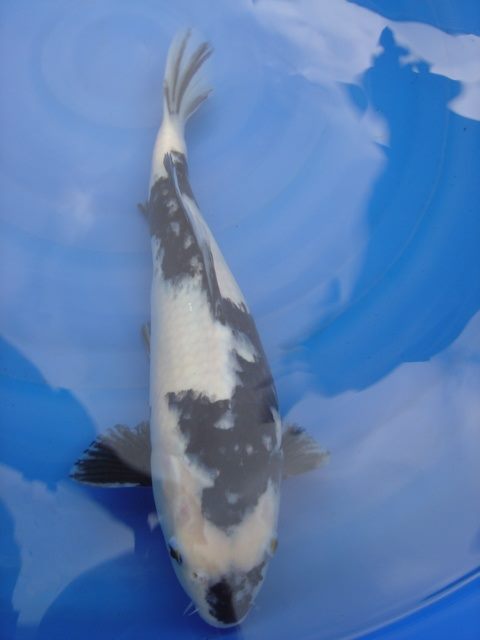
Show reference photographs
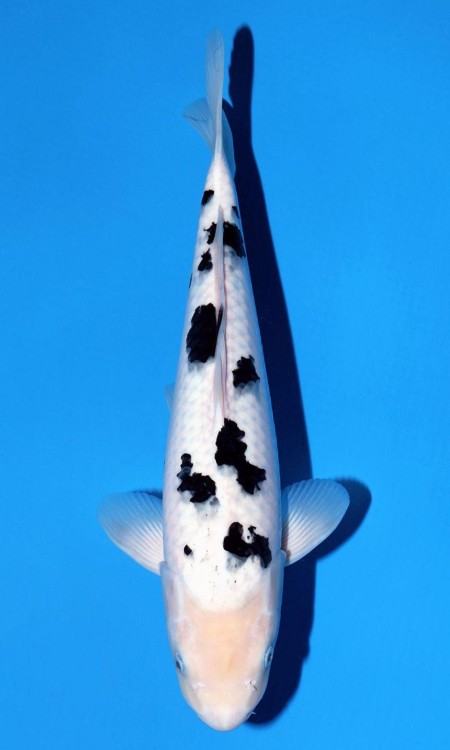
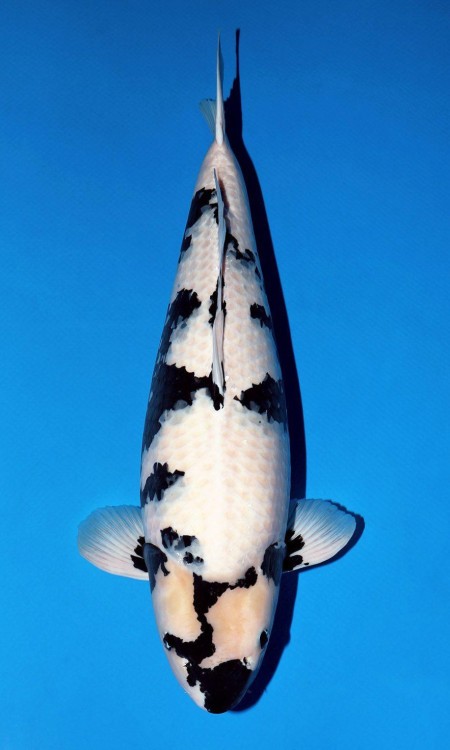
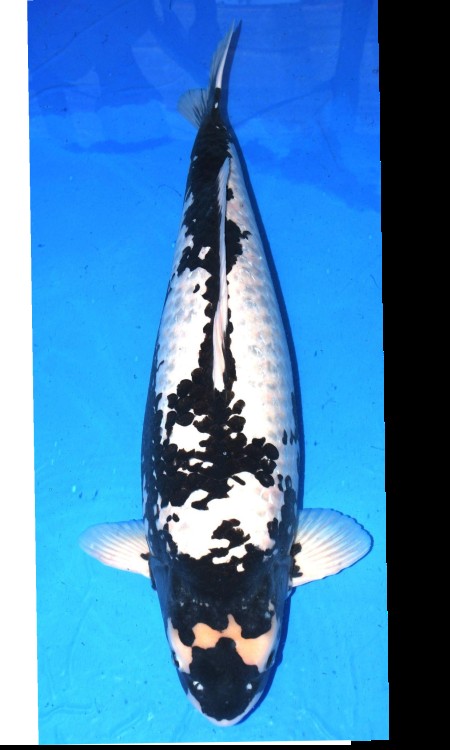
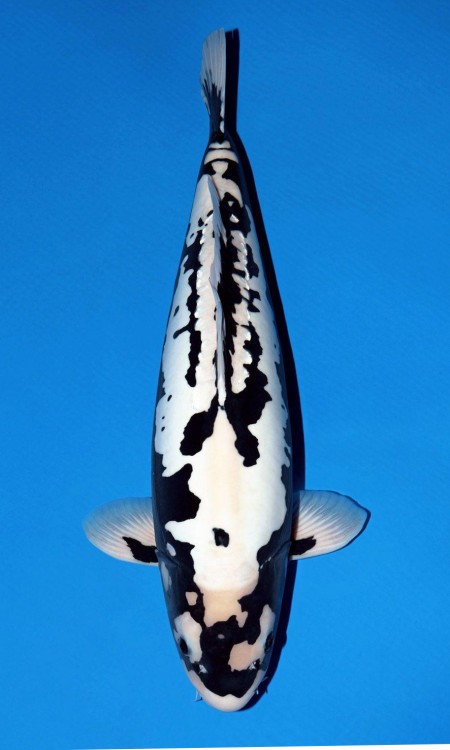
Main types
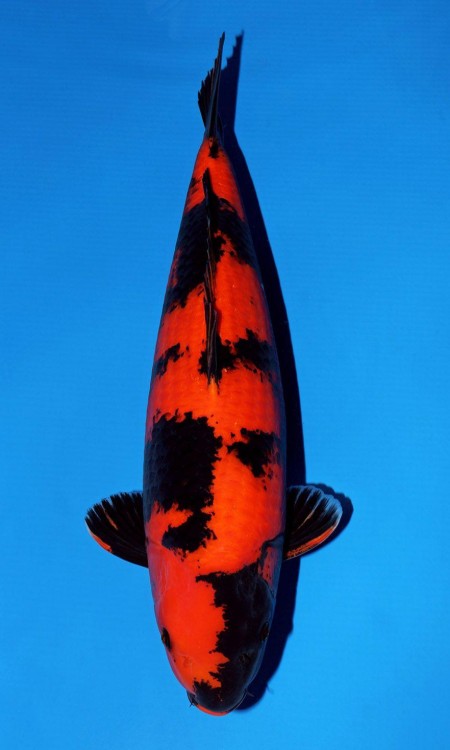
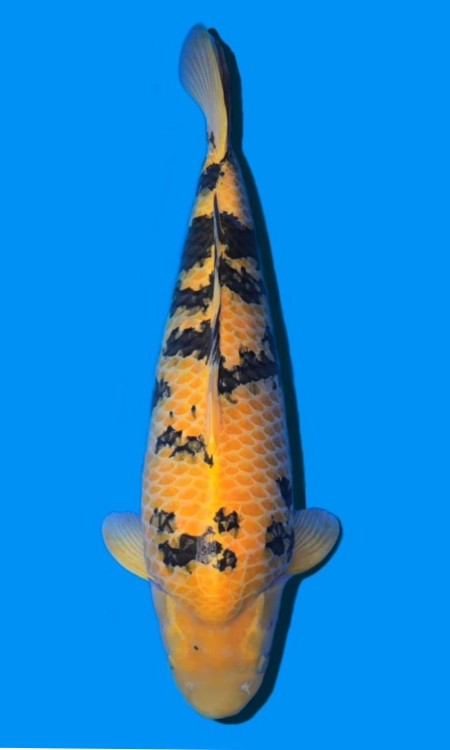
How to distinguish Utsuri from Bekko
Start with the whole pattern, not one black patch. The Japan Nishikigoi Promotion Association defines Utsuri by a black ground and utsuri-zumi, the connected black pattern also seen in Showa. ZNA notes that some modern Utsuri have less visible black; a white-rich fish is not automatically Bekko.
| Look at | Utsurimono | Bekko |
|---|---|---|
| Ground and sumi | Black ground with connected sumi that wraps around the body. | White, red or yellow ground with separate Sanke-style black markings. |
| Head | Head sumi is a useful clue within the whole pattern. | The head is generally clear, but ZNA allows small black spots that do not disturb the overall balance. |
| Pectoral fins | Motoguro means black concentrated at the fin base; assess it with the body pattern. | One fin mark, or its absence, is not enough to identify either group. |
| Appreciation | Look at body shape, skin quality and the balance of black with the other colour. | Variety identification and judging quality are separate questions. |
Definitions: JNPA: Shiro Utsuri, Hi and Ki Utsuri, and ZNA on Utsurimono and Bekko.
Black-and-white koi: check more than colour
Scale pattern, the position of white and metallic skin lustre help separate look-alikes. Doitsu scale reduction alone does not prove that a fish is Kumonryu.
| Variety | Useful distinction |
|---|---|
| Shiro Utsuri | Black ground with white markings and connected Utsuri-style sumi. |
| Hajiro | A predominantly jet-black body with white pectoral fins; some black may remain in the fins. |
| Kumonryu | Doitsu characteristics and cloud-like black-and-white patterning that may change. Red markings distinguish Beni Kumonryu. |
| Kikokuryu | Kumonryu characteristics with metallic skin lustre across the body. Beni and Kin forms have red or gold markings. |
See JNPA’s Kumonryu definition and Hajiro and Kikokuryu descriptions. A reflective scale is not by itself proof of metallic skin.
When comparing photographs
Check the fish from head to tail and on both sides. Lighting, viewing angle and growth can alter the impression of the pattern. Use a clear photograph as a reference, without treating it as a guarantee of pedigree, future appearance or a show result.